

The Dispatch: Week 50
From stacks to stakes: Volvo to sell software to rivals, Hyundai taps German-native as R&D Chief, Porsches Bricked in Russia, and OTA risk goes mainstream.

SDV Insider — December 12, 2025
Happy Friday 👋 and welcome to the end of Week 50. As holiday code freezes near, the software-defined vehicle is showing both its promise and its fragility: Volvo is confident enough in its once-troubled software stack to license it to rivals, while hundreds of Porsches in Russia were immobilized by a failed backend connection. When a server goes dark, does your car lose Spotify—or does it stop working entirely? That question is now shaping strategy, leadership, and risk across the industry.
🚀 Top Stories
Volvo Turns Software Pain into a Product
After wrestling with “software hell” that delayed its EX90, Volvo is now seeking to license its “Superset” centralized software and compute stack to other automakers—reversing years of internal-only development. Built to run future EVs on a small number of high-performance computers, the system is now considered stable enough for external partners, according to Anders Bell, Volvo’s Chief Engineering and Technology Officer and former Tesla executive, who compares the approach to Apple’s iOS: fix bugs once, deploy everywhere. The move reflects a broader industry shift, as experience across the industry reveals the growing complexity and risk of building full SDV stacks in-house.
Our take:
The SDV market may be entering its “Android-ification” phase, but there’s a catch: OEMs selling competitors their core software stack can create long-term strategic tension. Neutral platforms, independent software players, or consortium-based partnerships may ultimately prove more scalable than relying on rival automakers as infrastructure providers.
Hyundai Breaks Tradition to Fix Its SDV Roadmap
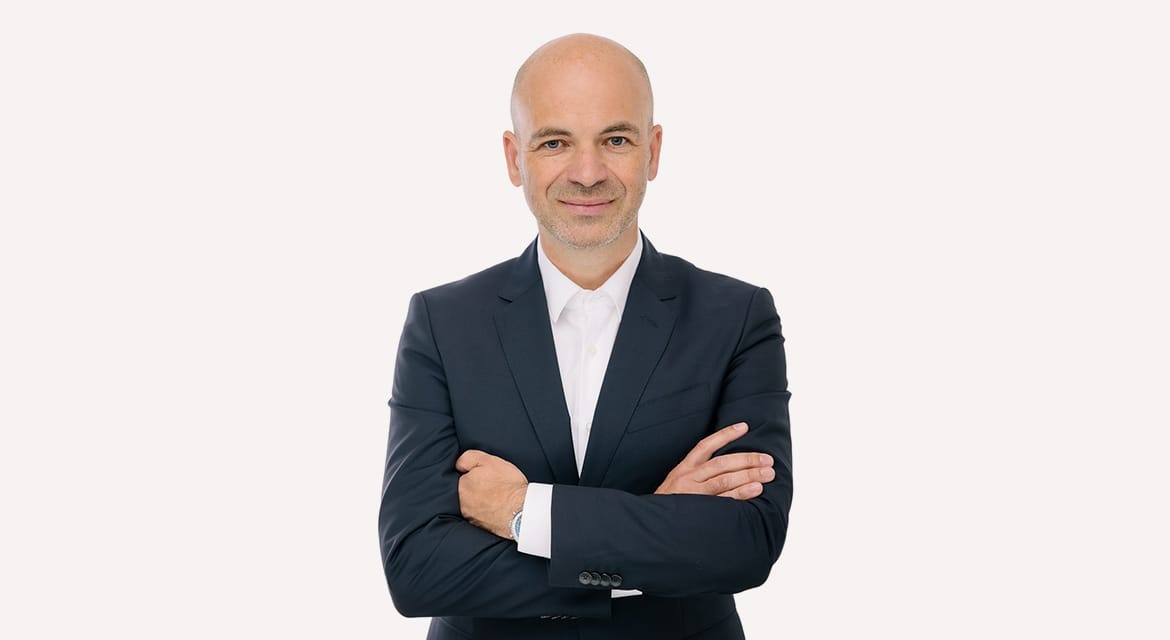
Hyundai Motor Group is elevating German-native Manfred Harrer, a former Apple Car project leader and longtime Porsche/BMW engineering executive, to lead its core R&D division for both Hyundai and Kia—a rare and consequential move for a Korean chaebol. While Harrer joined Hyundai in 2024, placing him over the Namyang Research Institute and alongside leadership changes in future-vehicle programs signals a deliberate consolidation of hardware, software, and platform authority under a single executive. This is not a cosmetic reshuffle: Hyundai is effectively betting that software-led product thinking must sit at the top of R&D to accelerate its SDV and autonomous roadmap. Legacy OEMs are learning that software talent can’t just be embedded—it has to be empowered. Read more →
🧠 Industry Pulse
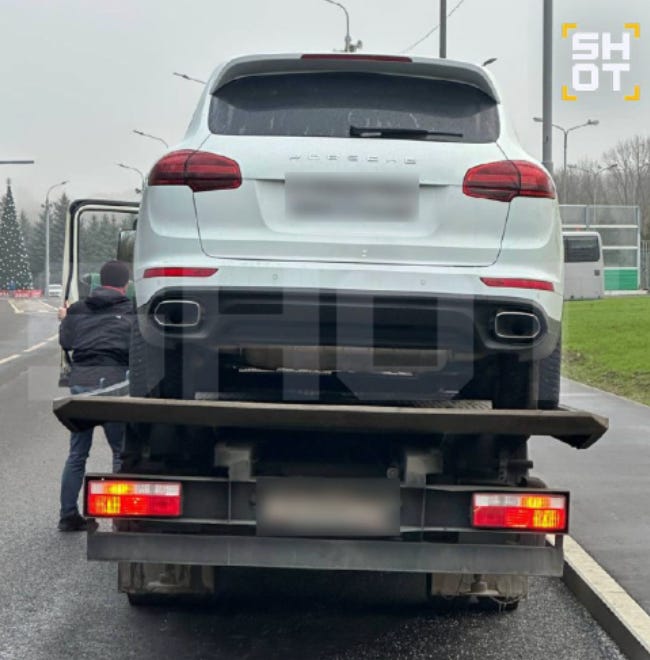
Telematics as a Single Point of Failure - Porsches in Russia:
Hundreds of Porsche ICE vehicles in Russia were immobilized after a failure in their telematics-linked satellite security systems, locking cars into a hard fault. Investigators suspect a centralized trigger—a faulty firmware or configuration update, a compromised security module, or coordinated remote immobilization propagated at scale. With EVs and hybrids unaffected, attention has narrowed to ICE-specific telematics profiles, echoing past automotive cyber incidents where OTA misconfigurations cascaded across entire fleets.
Waymo’s School-Bus Edge Case: Waymo issued a voluntary software recall affecting more than 3,000 robotaxis after its automated driving system struggled to correctly interpret stopped school buses. No injuries occurred, but this underscores how edge cases involving vulnerable road users remain regulatory flashpoints for autonomy.
GM Tightens Its OTA Foundation: General Motors pushed a mandatory OTA update to Silverado and Sierra pickups aimed at improving its “software update and diagnostics process.” While minor on the surface, the move reflects GM’s broader effort to stabilize OTA reliability as it transitions toward a centralized computing architecture that consolidates propulsion, safety, infotainment, and body systems into a single high-capacity platform. The update underscores a key lesson GM has learned the hard way: OTA pipelines must be rock-solid before software becomes the backbone of the vehicle.
OTA at Scale: Tesla’s 1.8M-Vehicle Recall Fix: Tesla rolled out an OTA update to roughly 1.8 million vehicles to address a hood-latch detection issue—a massive recall compliance fix handled entirely via a software update. Proof that a scalable OTA foundation can save the day.
💼 Company Moves & Partnerships
Greaves Electric Mobility + Sibros: Sibros’ SDV platform will bring OTA updates, diagnostics, and data services to the Greaves’ Ampere electric two-wheeler lineup.
Rivian + Apple Wallet: Rivian rolled out full Apple Wallet Digital Key support via OTA.
Sony Honda Mobility (Afeela) + Reviver: Digital license plate integration from connected license plate company Reviver reinforces Afeela’s tech-forward positioning.
Element Fleet acquires Car IQ: A major consolidation in vehicle-native payments.
TVS Motor on the Global Stage: Gaurav Gupta, President of TVS Motor’s two-wheeler business, has been elected Vice President of the International Motorcycle Manufacturers Association (IMMA).
Elektrobit Joins SDVerse Marketplace: Elektrobit has brought its open-source operating systems and interoperable automotive software portfolio to B2B software marketplace SDVerse.
📊 Markets & Reports
Connected Car Security Headed for $7B: The global connected car security market is projected to grow from $3.37B in 2025 to $6.99B by 2032, driven by OTA reliance and regulatory pressure (UNECE R155/R156).
📅 Events
CES 2026 Preview: CES 2026 is around the corner. Expect lots of fresh SDV and automotive tech related announcements from players across the automotive ecosystem at the Vehicle Tech & Advanced Mobility Hall in Las Vegas on January 6-9, 2026. Will we see you there?

👋 Wrap-Up
This week exposed the uncomfortable truth beneath the SDV promise: software is no longer just a differentiator—it’s an existential dependency. From monetizing software stacks to immobilized vehicles and leadership shakeups, the industry is learning that resilience, governance, and trust matter as much as innovation. The winners won’t just ship features faster—they’ll design systems that fail safely when the cloud doesn’t cooperate.
— The SDV Insider Crew 🚗