

The Dispatch: Week 5
The largest OTA update in history? AI to arrive via OTA in 2.5 million of Volvos, VW announces first self-developed zonal architecture for China, and GM faces FTC scrutiny over connected vehicle data.

SDV Insider — January 30, 2026
Happy Friday, SDV Insiders! As the calendar turns towards a new quarter, the software-defined transformation of the automotive industry is accelerating on multiple fronts. This week delivers a clear snapshot of both the upside and the growing pains of SDVs: large-scale OTA updates unlocking new AI-driven experiences, mounting evidence of cybersecurity exposure, and rising regulatory pressure around connected vehicle data and more. Let’s get into it.

🚀 Top Story
Volvo to Push AI-Powered Infotainment to 2.5 Million Vehicles via OTA - Including Older Models
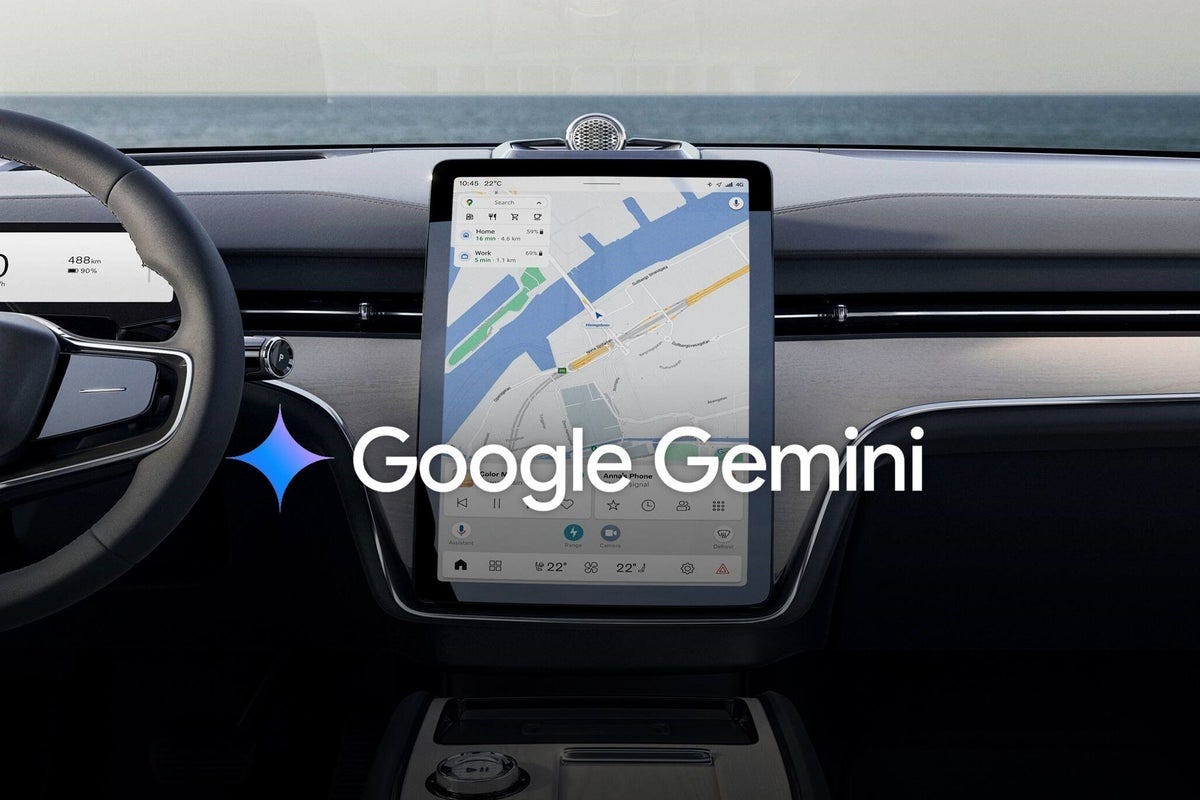
Volvo is preparing one of the “largest OTA updates in the industry” to date, bringing a new AI-driven infotainment experience powered by Google Gemini to roughly 2.5 million vehicles worldwide. Scheduled for rollout later in 2026, the update targets Volvo models running Android Automotive, including vehicles dating back to 2020 such as the XC40 Recharge.
The update replaces the existing Google Assistant with Gemini, enabling more natural and conversational interactions. Drivers will be able to compose messages, translate languages in real time, query vehicle manuals, and refine navigation requests using natural language. While hardware differences may limit some features on older vehicles, Volvo says the core experience will closely mirror that of newer models like the EX30, EX60, and EX90.
Our take: This is software-defined value in its purest form. Volvo isn’t just fixing bugs or pushing minor UI tweaks—it’s fundamentally upgrading the intelligence layer of vehicles already on the road. At this scale, OTA becomes a strategic lever for extending vehicle relevance, strengthening brand loyalty, and reframing ownership around continuous improvement.
⚙️ Industry Pulse
Pwn2Own Highlights Persistent Automotive Cybersecurity Gaps
The third annual Pwn2Own Automotive competition uncovered 76 previously unknown (zero-day) vulnerabilities across modern vehicle systems, with researchers earning more than $1 million in bounties. The results underscore how quickly attack surfaces are expanding as vehicles adopt richer software stacks, connectivity, and OTA pipelines.
OTA Recall Fixes Show the Promise—and Limits—of Software Updates
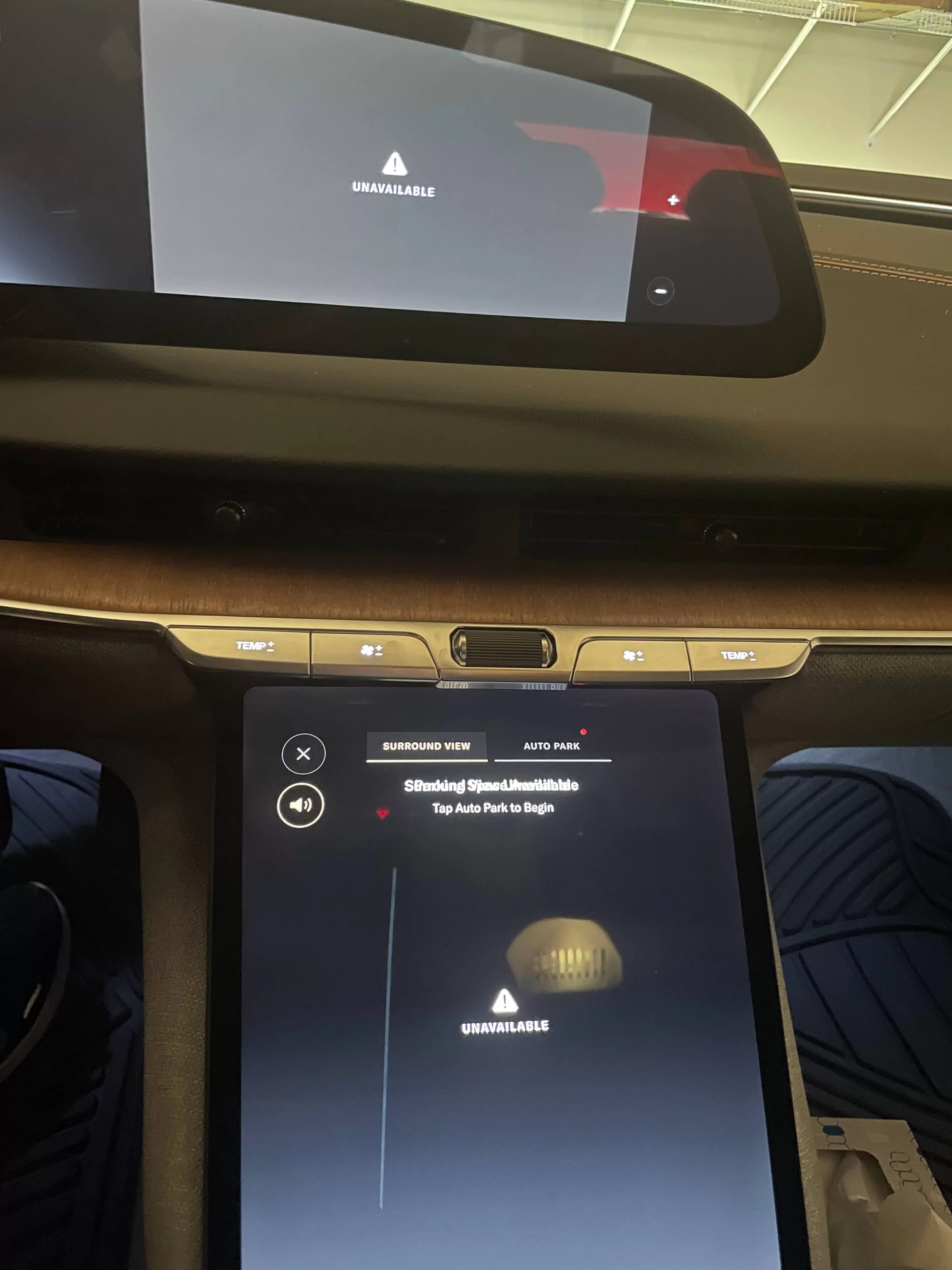
Tesla and Lucid both leaned on OTA updates this week to address safety-related issues. Tesla issued an OTA fix for a seat belt warning system affecting more than 125,000 vehicles, while Lucid deployed an update to resolve a rearview camera display issue in a limited number of Gravity models.
At the same time, customer frustration is surfacing when OTA is perceived as underutilized, particularly when post-sale feature velocity lags expectations set by more software-forward OEMs.
FTC Finalizes Order Against GM and OnStar Over Data Privacy
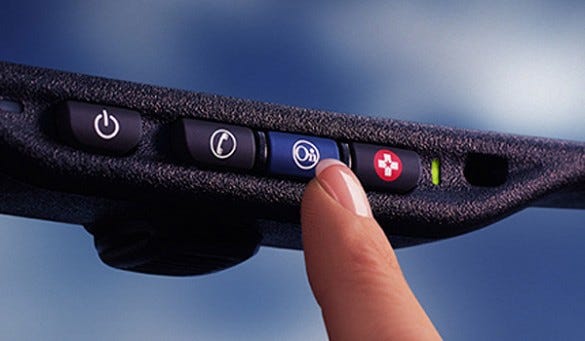
The U.S. Federal Trade Commission finalized a 20-year order against General Motors and OnStar, following allegations that the companies collected and shared sensitive location and driving behavior data without adequate consumer consent. The order restricts data sharing for five years and requires explicit opt-in consent going forward.
💼 Company Moves & Partnerships
Volkswagen Group China Begins Production of Zonal Architecture
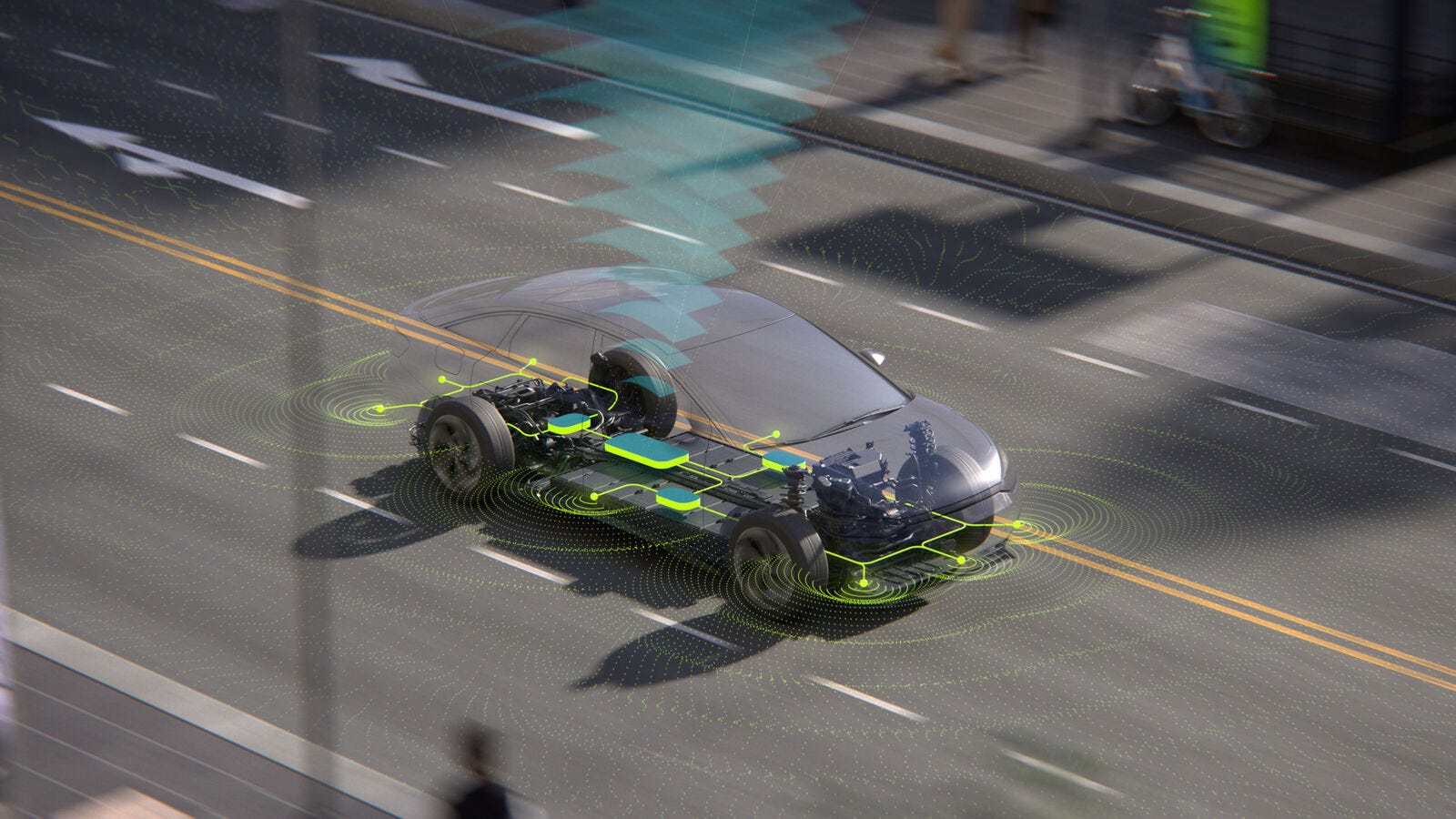
Volkswagen Group China 🇨🇳 has started production of its first locally developed zonal electronic architecture (China Electronic Architecture or CEA), debuting in the ID. UNYX 07. The platform is designed to support OTA updates, reduce ECU count by roughly 30%, and shorten vehicle development cycles across multiple vehicle lines.
Keyloop Agrees to Acquire MotorTech AI
Keyloop announced an agreement to acquire MotorTech AI, adding AI-driven analytics and automation capabilities to its automotive retail and mobility platform portfolio. MotorTech AI focuses on predictive intelligence across vehicle sales, service, and lifecycle operations.
GlobalLogic and Elektrobit Expand SDV Development Alliance
GlobalLogic and Elektrobit extended their strategic partnership to accelerate development of next-generation software-defined vehicle platforms. The collaboration centers on high-performance compute, scalable SDV architectures, and global deployment across OEM programs.
Hyundai AutoEver Tool Earns ISO 26262 Certification
Hyundai AutoEver’s Mobilgene x-Studio software verification automation tool has received ISO 26262 functional safety certification. The platform automates MIL, SIL, and HIL testing workflows to improve efficiency and compliance in automotive software development.
📅 Events Coming Soon
Tactical Wheeled Vehicles (TWV) Conference 2026
February 23–26, 2026 | Huntsville, Alabama
Hosted by NDIA, TWV 2026 convenes defense, government, and industry leaders focused on military ground vehicle modernization. Software-defined architectures, autonomy, cyber resilience, and lifecycle sustainment are increasingly central themes, reflecting how SDV principles are reshaping not just commercial vehicles—but mission-critical platforms as well. Will we see you there?

👋 That’s a Wrap
This week reinforces a defining truth of the SDV era: software velocity creates competitive advantage—but only when paired with security, trust, and disciplined execution. As AI-driven experiences scale via OTA and regulators tighten oversight of data and safety, OEMs and suppliers alike are being pushed to mature their software operations quickly. The future of mobility is being written in code—and scrutiny is rising just as fast.
— The SDV Insider Crew 🚗