

The Dispatch: Week 10
Ford to issue OTA fixes at large scale, Volvo upgrades millions of vehicles, new JD Power study ranks SDV reliability and SDV growth accelerates amid rising cyber risks

SDV Insider — March 6, 2026
Spring may be arriving, but the software-defined vehicle landscape continues to deliver both momentum and friction. This week showcased the two sides of automotive software at scale. On one end: a massive safety recall caused by a software defect. On the other: a sweeping OTA upgrade improving the experience of millions of vehicles already on the road. Together, these stories reinforce a core reality of the SDV era: software now defines both the risk surface and the innovation engine of the modern vehicle.

🚀 Top Story
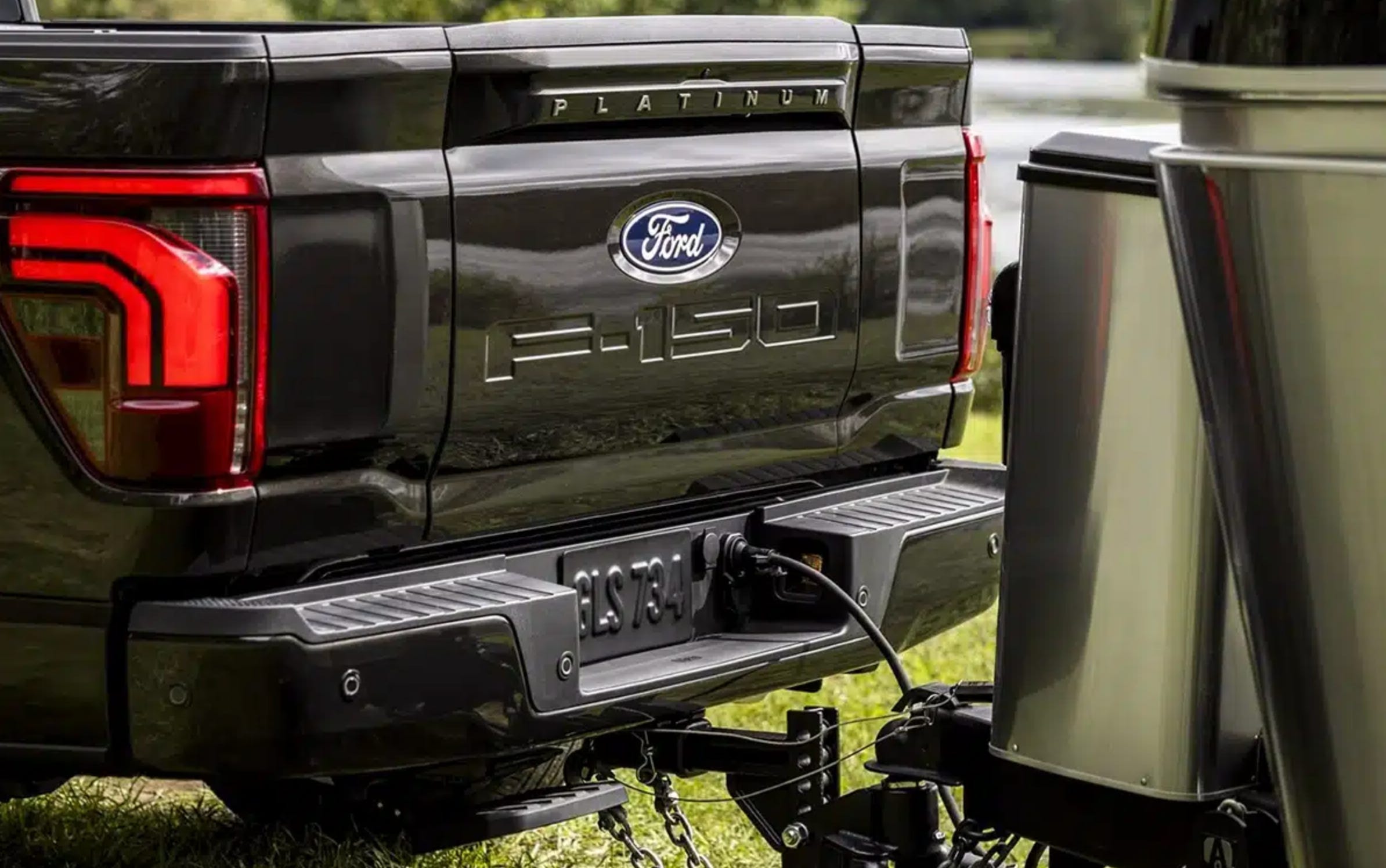
Ford Uses OTA to Resolve Major Safety Recall Affecting 4.3M Vehicles
Ford Motor Company has issued a recall affecting approximately 4.3 million trucks and SUVs in the U.S. due to a software defect in the Integrated Trailer Module (ITRM). The issue could disable trailer lighting and braking systems—creating a serious safety risk for vehicles towing trailers. The recall impacts several high-volume models, including Ford F-Series pickups and the Lincoln Navigator. Instead of requiring millions of dealership visits, Ford plans to resolve the problem via a remote Over-the-Air software update, which began rolling out March 17 for most affected vehicles. The event highlights both the growing complexity of vehicle software and the operational value of OTA infrastructure when issues inevitably occur.
Our Take
No automaker wants a recall—but this is exactly where the SDV model proves its value. The ability to deploy a remote software fix at national scale turns what could have been a logistical nightmare into a manageable update cycle. OTA is no longer just about infotainment features or UI tweaks—it has become critical safety infrastructure. For OEMs, the lesson is clear: the investment isn’t just in writing more code—it’s in validation pipelines, testing frameworks, and secure OTA delivery systems capable of managing increasingly complex vehicle software stacks.
⚙️ Industry Pulse
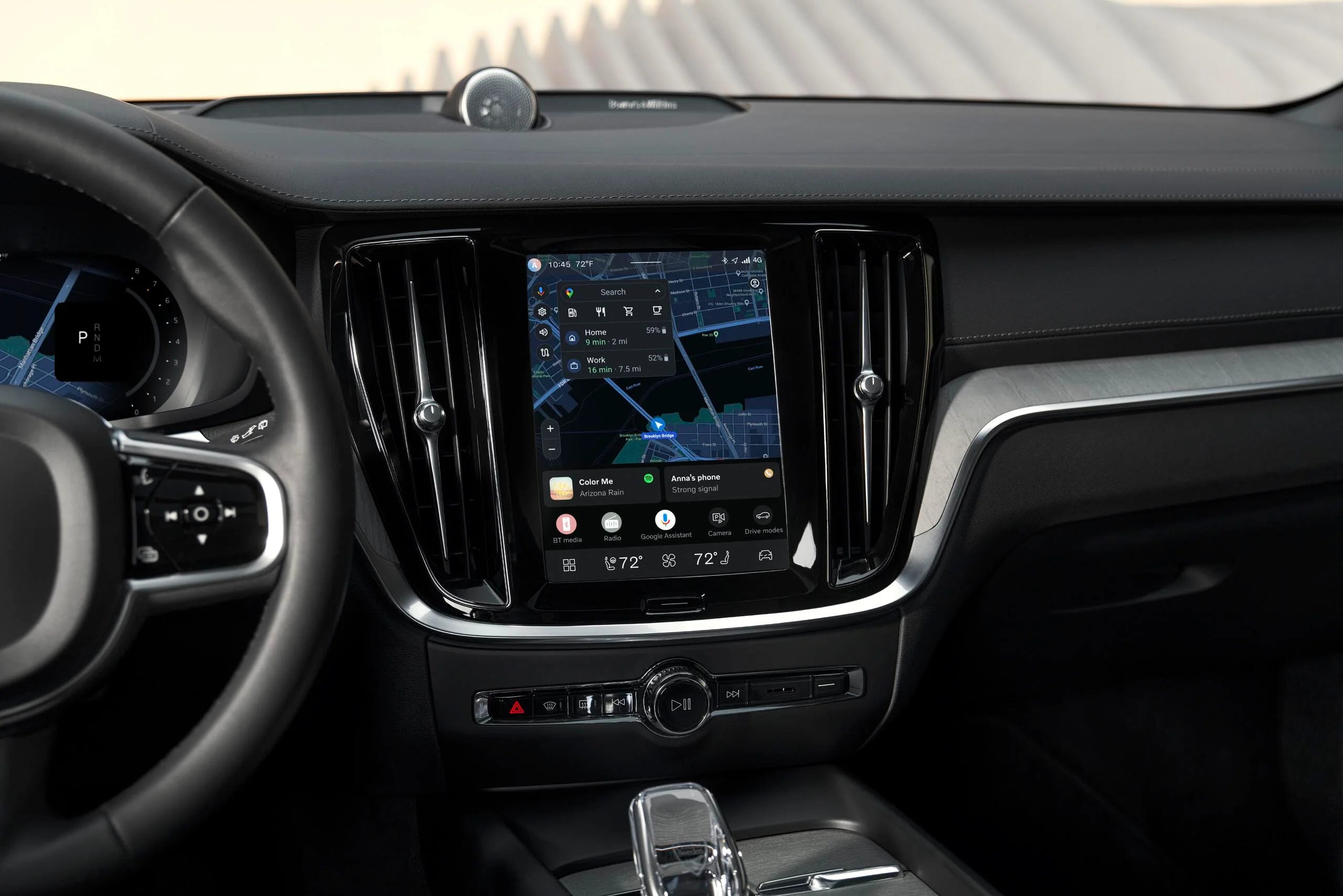
Volvo Delivers Largest OTA Update in Company History
Volvo Cars has begun rolling out its largest-ever over-the-air update, reaching roughly 2.5 million vehicles across 85 countries. The update introduces a redesigned “Volvo Car UX” infotainment experience, delivering faster app access and an improved Google-based interface for vehicles dating back to the 2020 model year. The rollout demonstrates the long-term value proposition of SDVs: vehicles that continuously improve years after leaving the showroom.
J.D. Power Flags Persistent Automotive Software Reliability Issues
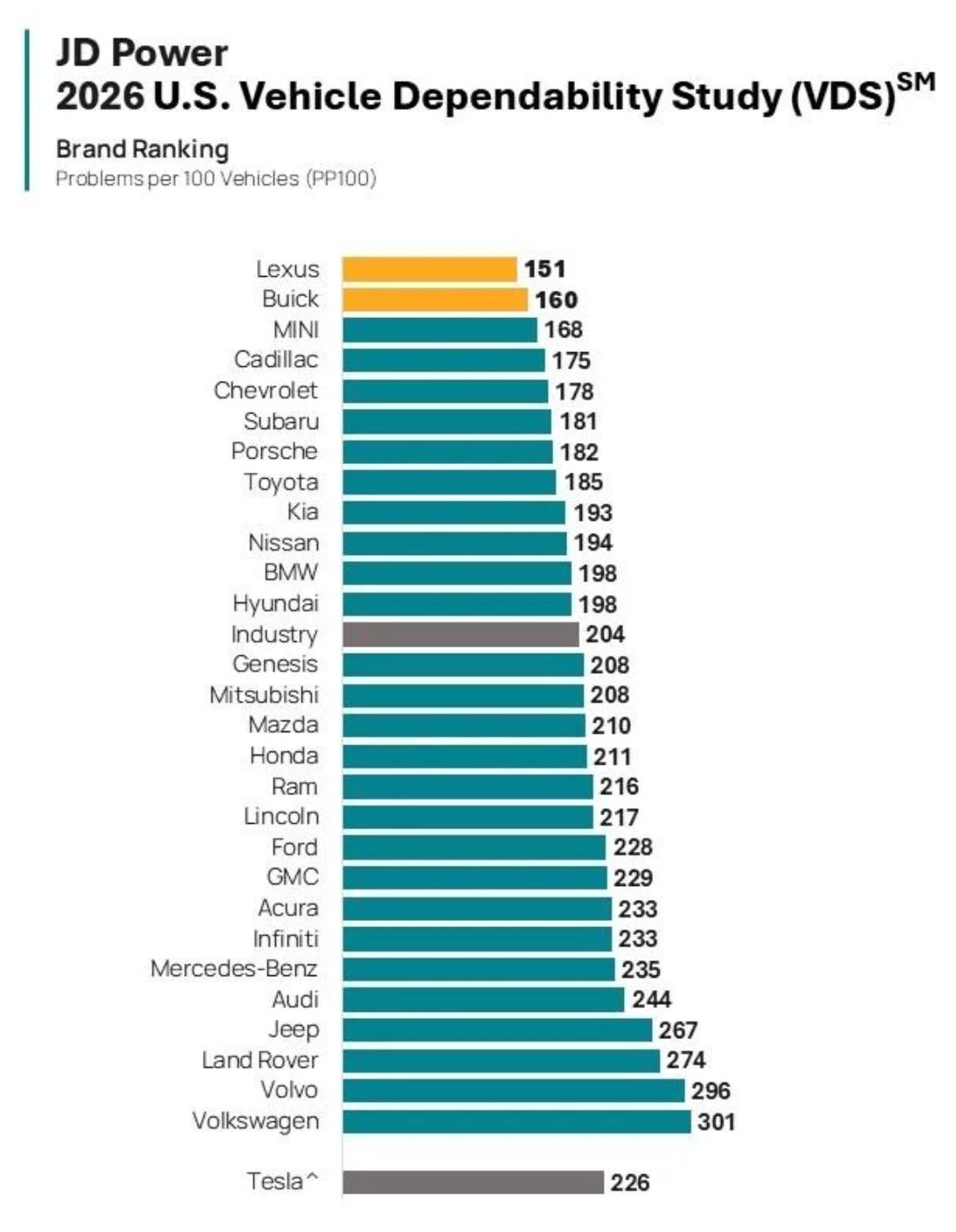
Here’s an interesting one. A new J.D. Power survey shows that software issues remain one of the auto industry’s weakest links. Owners reported recurring frustrations with:
Bluetooth connectivity
Wireless charging systems
Automaker mobile apps
As vehicles become more software-centric, user satisfaction is increasingly determined by software quality rather than hardware reliability. For OEMs, closing this reliability gap is now essential to maintaining customer trust.
AI Is Fueling Both SDV Innovation—and Cyberattacks
Artificial intelligence is accelerating software-defined vehicle development—but it is also amplifying cybersecurity risks. According to a WardsAuto report citing Upstream Security, AI-driven cyberattacks targeting the automotive industry have doubled in the past year. As vehicles evolve into “data centers on wheels,” cybersecurity has become a top concern for automakers—often outranking cost reduction or manufacturing flexibility. At the same time, AI tools are helping engineering teams automate complex integration workflows and accelerate SDV development cycles.
Kvaser Launches Secure Linux Edge Platform for Automotive Data Logging
Kvaser has introduced Kvaser Edge, an open, secure Linux-based edge computing platform designed for automotive and industrial data logging. The system enables engineering teams to collect, process, and analyze massive vehicle data streams more efficiently, helping streamline development and validation workflows for increasingly software-heavy vehicle architectures.
💼 Company Moves & Partnerships
Tata Technologies Partners with WITTENSTEIN for SDV Safety Architecture
Tata Technologies has announced a strategic partnership with WITTENSTEIN High Integrity Systems (WHIS) to accelerate software-defined vehicle development. The collaboration will integrate WHIS’s SAFE RTOS® into SDV platforms, helping OEMs and Tier-1 suppliers meet ISO 26262 functional safety requirements while enabling scalable, safety-certified vehicle architectures.
Nio and Bosch Form SDV Technology Partnership
EV manufacturer Nio has signed a broad technology agreement with Bosch focused on software-defined vehicle platforms. The partnership combines Nio’s software expertise with Bosch’s extensive hardware and systems portfolio to accelerate development of advanced SDV architectures and features.
Zonar Achieves First OEM-Based CARB Clean Truck Check Certification
Telematics provider Zonar has become the first company to achieve OEM-based certification for California’s CARB Clean Truck Check compliance program. The approval allows fleets using Zonar’s telematics platform to automatically verify emissions compliance, helping reduce downtime and administrative overhead for heavy-duty vehicle operators.
📊 Market & Reports
SDV Market Projected to Reach $1.9T by 2034
A new industry report forecasts the software-defined vehicle market will grow to $1.9 trillion by 2034, expanding at a 22.6% CAGR.
Key drivers include:
Increasing software complexity in modern vehicles
Rising demand for connected and autonomous features
Continuous innovation enabled by OTA updates
The shift from hardware-centric vehicles to software-driven platforms continues to reshape the competitive landscape across OEMs, suppliers, and technology providers.
📅 Events to Watch
Embedded World 2026
March 10–12, 2026 — Nuremberg, Germany
At embedded world, Qorix will showcase production-ready SDV middleware built on the Eclipse S-CORE open-source project. Meanwhile, IAR will demonstrate tools accelerating SDV development through Infineon DRIVECORE bundles and AURIX™ RISC-V debug capabilities. For SDV developers, the event offers a close look at the toolchains and middleware shaping next-generation vehicle platforms.
ACT Expo 2026
May 11–14, 2026 — Las Vegas, Nevada
The Advanced Clean Transportation Expo continues expanding beyond alternative powertrains into areas like vehicle data, autonomy, and connected fleet technology. Nearly 400 industry leaders are expected to speak, making the event a key venue for understanding the future of commercial vehicle software, safety, and regulatory trends.
CCC Japan Plugfest
March 2026 — Kanagawa, Japan
The Car Connectivity Consortium (CCC) will host its first Japan Plugfest, bringing together ecosystem partners to test and advance standards for secure digital vehicle access and interoperability.
The initiative reflects growing global collaboration around connected vehicle standards and secure device-to-vehicle authentication.
👋 That’s a Wrap
This week reinforced the duality of the software-defined vehicle era. Software enables vehicles to improve long after purchase—but it also introduces new operational risks that OEMs must manage at scale. From OTA safety fixes to cybersecurity threats, the SDV journey will demand both relentless innovation and disciplined engineering.
See you next week.
— The SDV Insider Crew 🚗💨